
Coaching and education
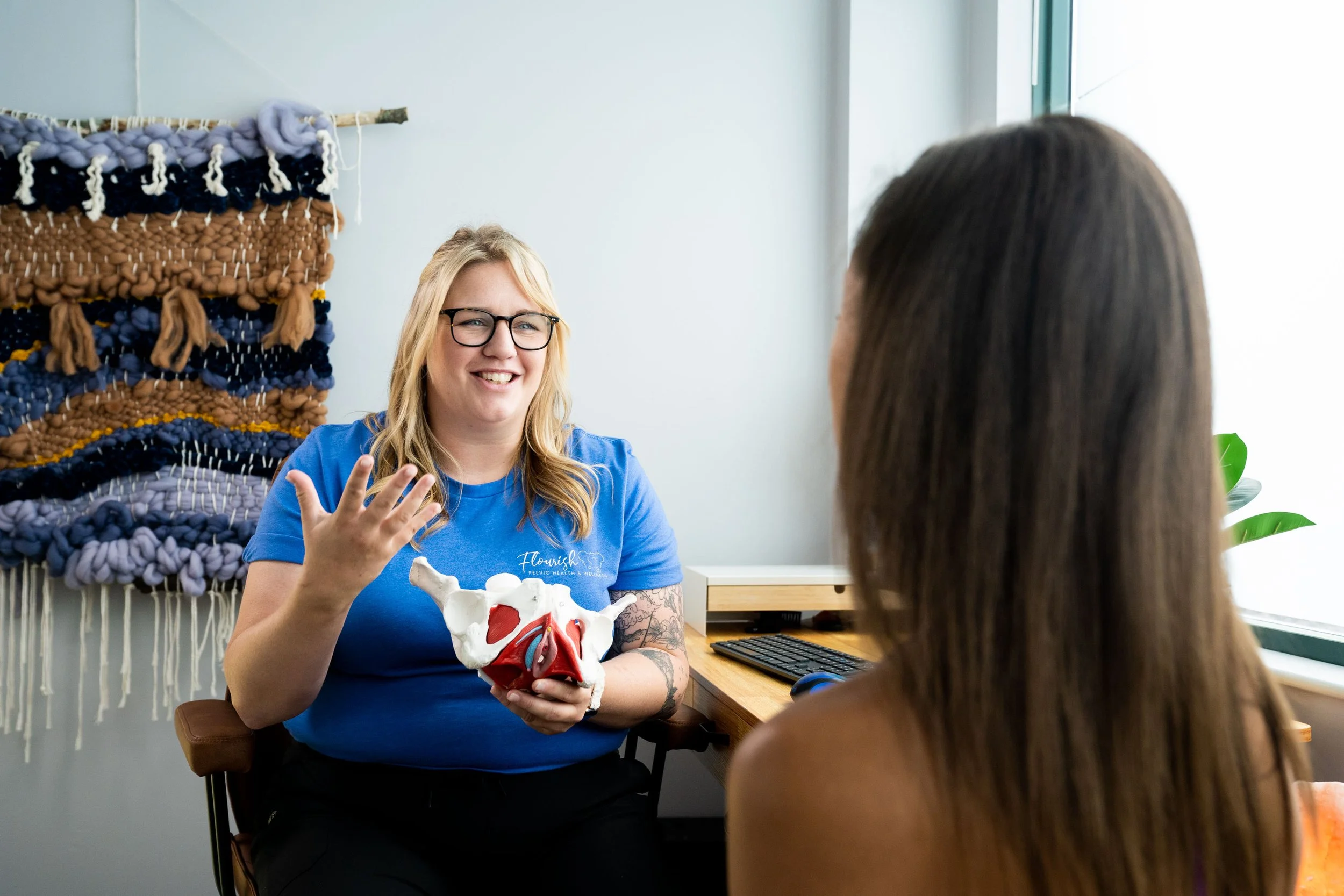
Hands-on guidance and practical education to help you and your baby feel stronger, more comfortable, and more confident.
About Our Coaching Services
What is coaching for?
Our coaching and educational services provide one-on-one support for women and babies. It’s rooted in pelvic health, movement, and the early months of parenthood. Sessions are practical and personal and combine naturally with myofascial release and personal training. We talk through what you’re noticing, look at how you move, and work on it together through myofascial release, strength and movement guidance, and clear education you can use in daily life.
This isn’t a one-size-fits-all program. Every plan is built around your body, your stage of life, and your goals, whether that’s returning to exercise after birth, tolerating exercise better due to chronic illness, feeling steadier through pregnancy, or feeding your baby with less stress.
Isn’t coaching what everyone does?
Not this kind!
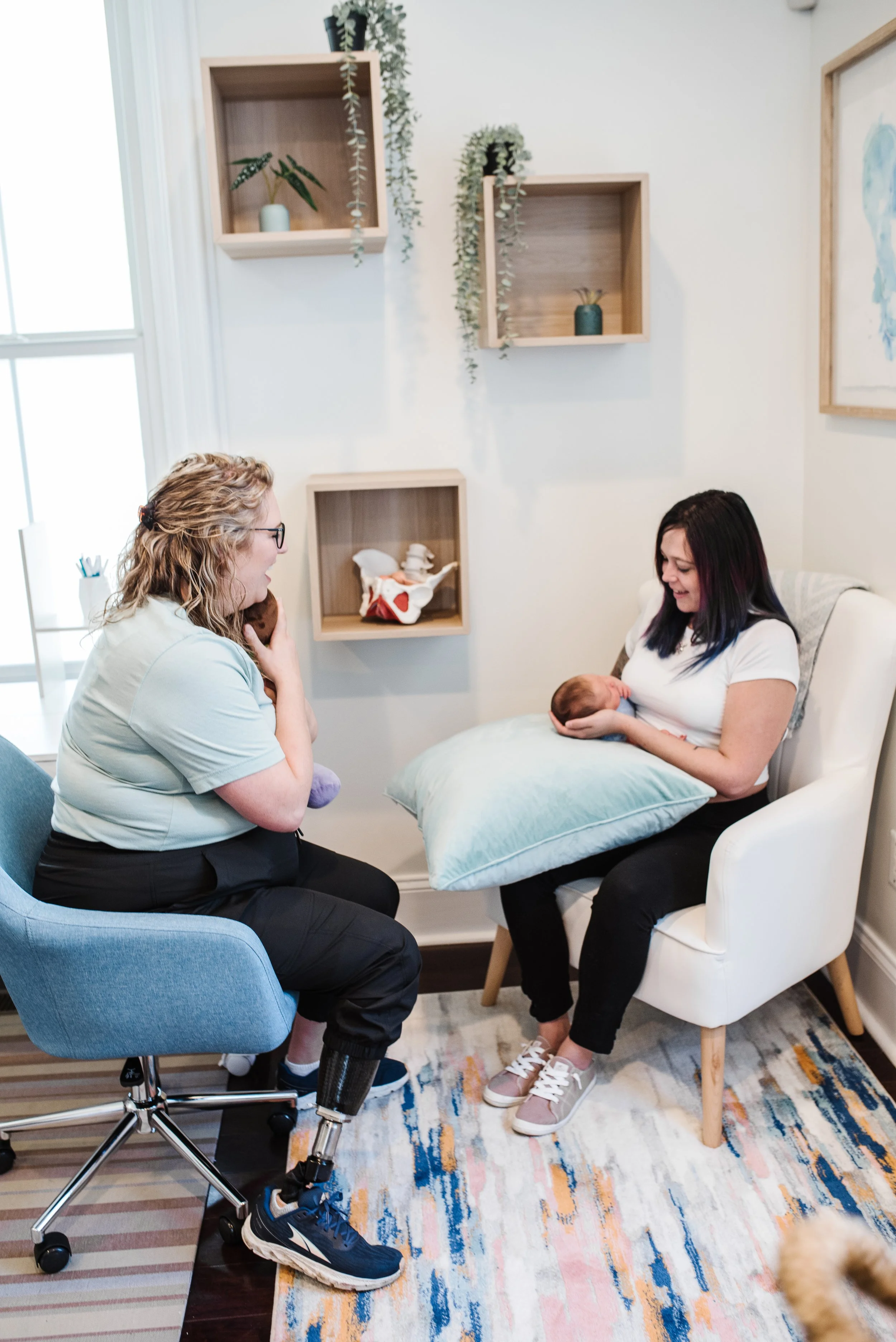
The word “coaching” is used for a lot of things, so it’s a fair question. What sets this apart is the experience behind it. I bring a clinical background in pediatrics and rehabilitation and 10 years of focus on pelvic health, so I know what’s typical, what deserves more attention, and when it’s time to bring in your midwife, doctor, or other medical providers.
It’s also never a generic program. Every session is one-on-one, and every plan is built around your body, your stage of life, and your goals. You’re not handed a downloadable routine. You get hands-on guidance and practical education from someone who has spent years helping women and babies through exactly these stages.
Coaching here isn’t a standalone service, either. It only works in conjunction with the other services I offer (myofascial release and personal training), so it’s an important part of the treatment plan.
Who We Work With
We provide coaching for a variety of reasons, and as a natural part of our comprehensive services.
Women
Our sessions are for women who want to understand their bodies and feel more at home in them, whether you’re pregnant, postpartum, in perimenopause, or simply curious. You don’t need a specific problem to benefit. Many women come because of something they’re noticing, and others come to learn. Together we explore:
How your body works, including the anatomy and physiology of your core, pelvis, and pelvic floor
How you move, and how posture and movement habits affect comfort and strength
How your nervous system responds to stress, pain, and rest
How chronic conditions and illnesses such as hypermobility spectrum disorder, EDS, endometriosis, PCOS/PMOS, and more affect all of these topics and strategies to improve symptoms.
The connection between your breath and your pelvic floor
How to manage pressure through your core during daily life and exercise
What to expect and how to prepare through pregnancy, birth, and postpartum
Getting back to movement and exercise with confidence
Changes in strength, comfort, and body awareness during perimenopause
Concerns such as pelvic or low back discomfort, leaking, pressure, or core weakness
Babies
Our sessions are for babies and the grownups in their life who could use some help, whether you’re navigating a specific concern or just want to feel more confident in these early months. You don’t need a problem to benefit! Many parents come because of something they’re noticing, and others come to learn. Together we explore:
How your baby’s body works and how it develops in the first months
Motor milestones, including head control, rolling, and reaching, and how to support them
Tummy time, and how to make it more comfortable and productive
How your baby moves, and whether they favor turning or tilting to one side
Handling, carrying, and positioning, including holds that feel better for you and your baby
Feeding, including latching, bottle or breast comfort, and positioning during feeds
How your baby’s nervous system responds to stimulation, and ways to help them settle and feel calm
Fussiness, colic-type discomfort, and sleep comfort
Head and neck tension or a preference for turning one way
Bonding, and building your confidence in reading and responding to your baby
Frequently Asked Questions
-
Coaching focuses on guidance, movement, and education. All work is external, and I don’t give medical diagnoses. I’m happy to work alongside your midwife, doctor, or pelvic physiotherapist.
-
No referral is needed to book a session.
-
Partners are welcome to join, but we prefer to see our clients 1:1 due to the nature of our services.
While we understand that some days children may need to come due to logistical issues, please try to arrange for other care. If that’s not possible, no worries! Just let Danika know in advance.
Babies are always welcome.
-
That happens, and it is welcome here. Bodywork and even coaching/education can bring up feelings, particularly around a difficult birth, a long history of pain, or years of not being listened to. There is no wrong reaction, and we will follow your lead.
-
No. Luma is a private practice. You pay directly, and you do not need a referral.
-
Check out our Client Information & Rates page for more information on pricing.
-
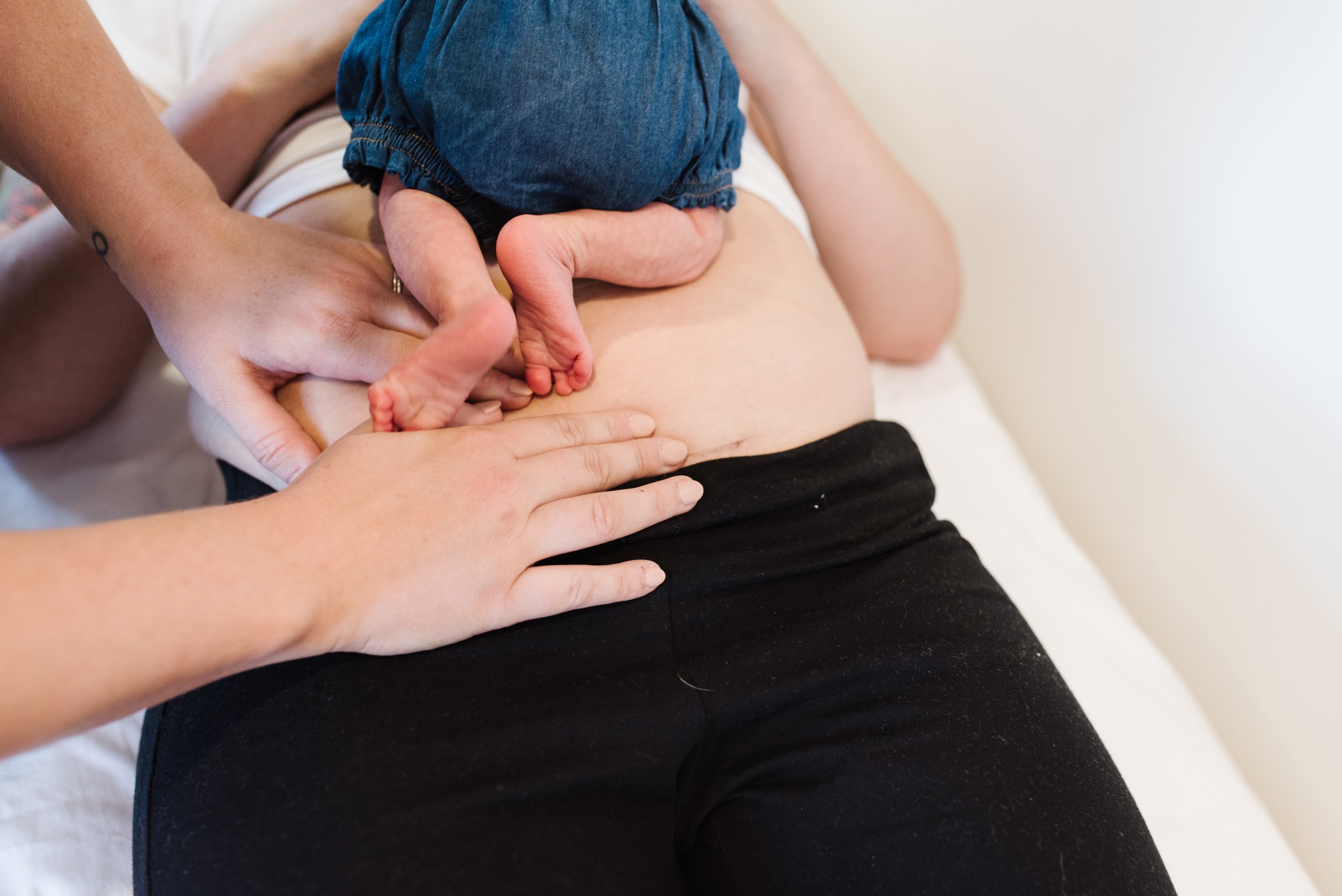
Absolutely, that’s how Luma works! Education, myofascial release, and strength and movement work are all part of your sessions, and we shape each one around what you need that day. Some days that means more hands-on work, other days more movement or more education.
Reach Out Today
Not sure if this is the right fit? Ask us anyway!
We’d love to chat with you and find out more about how we can help.